

Many business owners assume their website is performing well simply because it loads quickly on their own phone or office internet connection.
But real visitors often experience websites very differently.
Potential guests may be browsing your website:
In these situations, even small delays can have a major impact on whether somebody stays on your website or leaves immediately.
One of the biggest problems with website performance is that many businesses never realise there is an issue.
If a page loads slowly, images fail to appear properly, or the mobile experience feels frustrating, most visitors will simply leave and continue searching elsewhere.
They do not send a message explaining why they left.
They simply disappear.
This means businesses can lose potential enquiries and direct bookings without ever realising it is happening.
“53% of mobile users leave a website if it takes longer than 3 seconds to load”
Source: Google/SOASTA Research, “The Need for Mobile Speed” (2017).

Business owners often test websites under ideal conditions:
Real users are rarely browsing under those conditions.
This is especially important for hotels, restaurants, and tourism businesses where many visitors are browsing on mobile devices while travelling.
A website that feels acceptable on a strong connection can become frustrating on slower mobile networks.
Visitors make decisions about websites very quickly.
If pages feel slow, unstable, cluttered, or unresponsive, users often associate that experience with the business itself.
Professional website optimisation is not simply about achieving technical scores. It is about creating a faster, smoother experience that keeps visitors engaged long enough to explore the business properly.
This includes:
A professionally built website should not simply look attractive.
It should also be:
When I build and manage websites, performance and visitor behaviour are monitored over time using analytics and optimisation tools. This helps identify:
This ongoing process helps ensure the website continues performing properly long after launch.
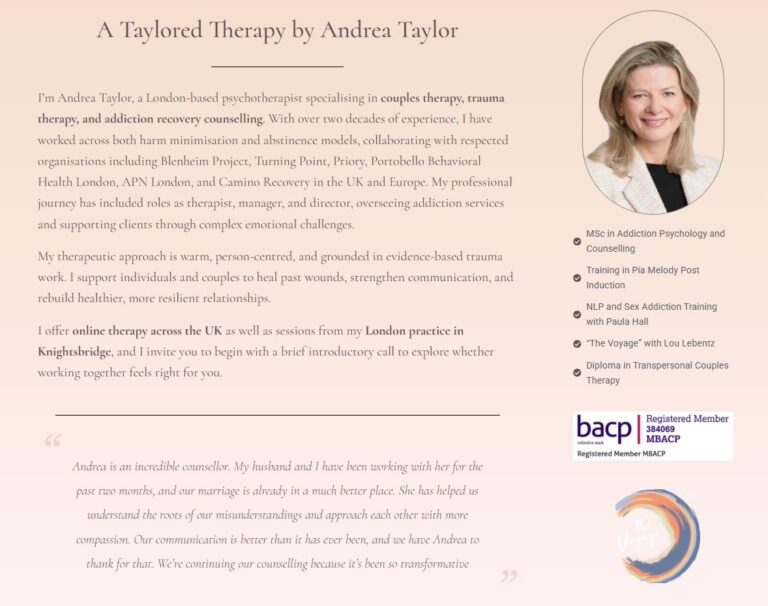
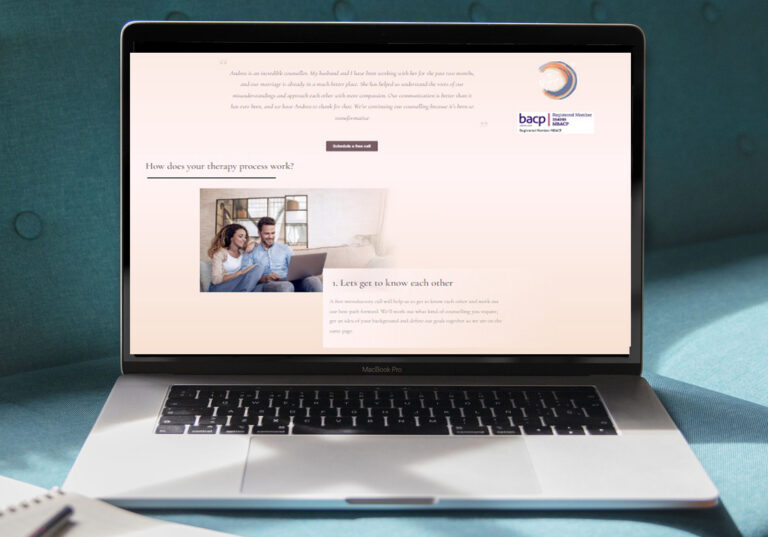
For professional services, a website is often the first impression a potential client has of the business.
Whether somebody is searching for a therapist, consultant, architect, legal service, or financial professional, visitors quickly make assumptions based on how the website feels to use. Slow loading times, broken layouts, poor mobile performance, or outdated presentation can quietly damage trust before any direct contact is made.
Many potential clients browse professional services websites while commuting, travelling, or quickly comparing multiple options on mobile devices. If a website feels frustrating, cluttered, or unreliable, visitors often leave without making an enquiry.
A faster, more polished website helps create a stronger sense of professionalism and credibility, while also encouraging visitors to spend longer exploring the business and services being offered.
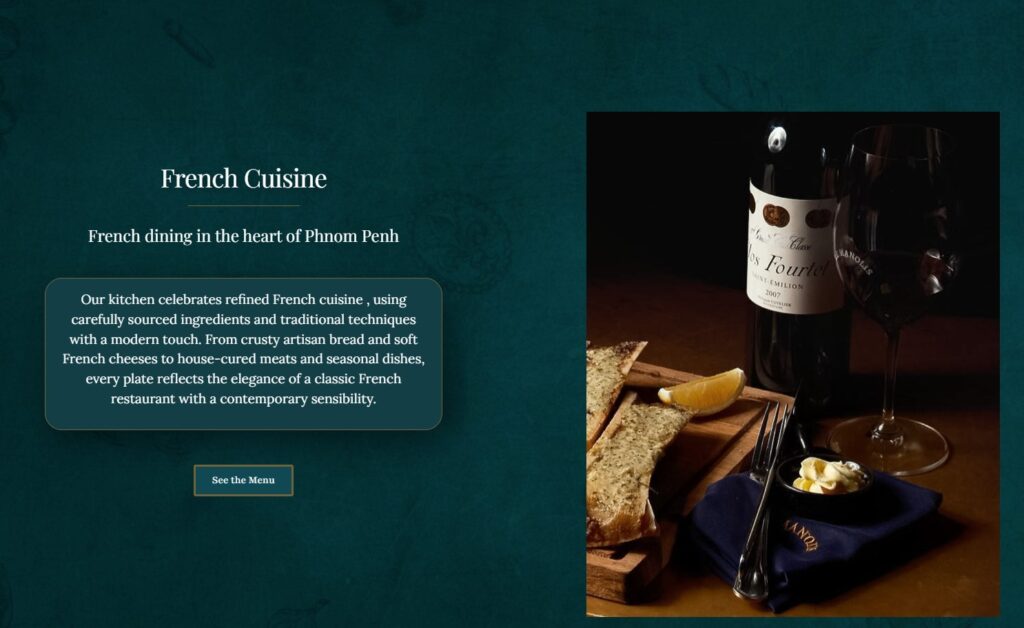
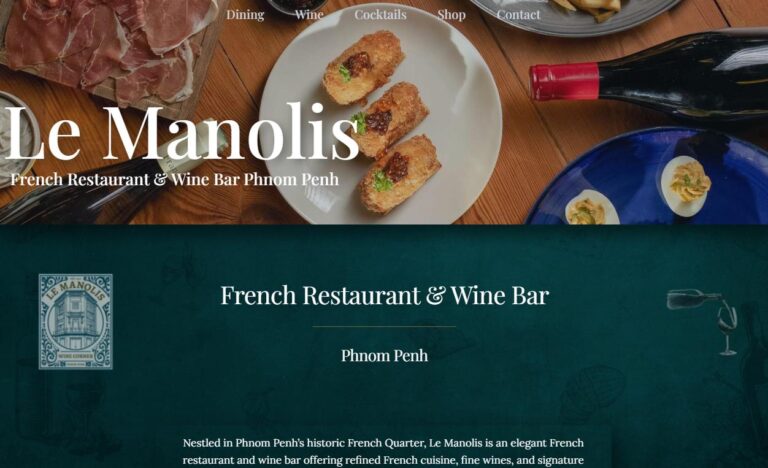
For hotels and tourism businesses especially, website speed can directly influence direct bookings.
Guests are often making fast comparisons between multiple properties. If one website feels slow, frustrating, or difficult to browse on mobile, visitors may quickly move on to another option.
A faster, more polished website helps create a stronger first impression and gives potential guests more confidence in the business itself.
Many businesses underestimate how important website speed and user experience really are.
A website may appear perfectly fine to the business owner while still creating a frustrating experience for real visitors under real-world conditions.
Professional web design is not simply about making a website look modern. It is about building and maintaining a website that performs reliably, loads efficiently, and keeps potential customers engaged.
Geoff Greenwood is a web designer based in Siem Reap, Cambodia, working with businesses locally and internationally. Through Exposure Creative, he focuses on building websites that combine strong design, SEO foundations, user experience, and long-term performance. His work spans hospitality, tourism, and professional service industries, with an emphasis on creating websites that feel trustworthy, polished, and strategically built for growth.