

When potential guests visit a hotel website, the photography is often the first thing they notice. Before reading about room types, amenities, or location, visitors are already forming an impression based on the visual presentation of the property.
For hotels, resorts, restaurants, and hospitality brands, photography is not simply decoration. It plays a major role in trust, perception, and booking decisions.
As a web designer and commercial photographer based in Cambodia, I have worked with hotels and hospitality businesses where strong photography has dramatically improved the overall impact of a website, and therefore the number of direct bookings, leading to more revenue.
Even well-designed websites can feel weak if the imagery does not properly represent the experience being offered.
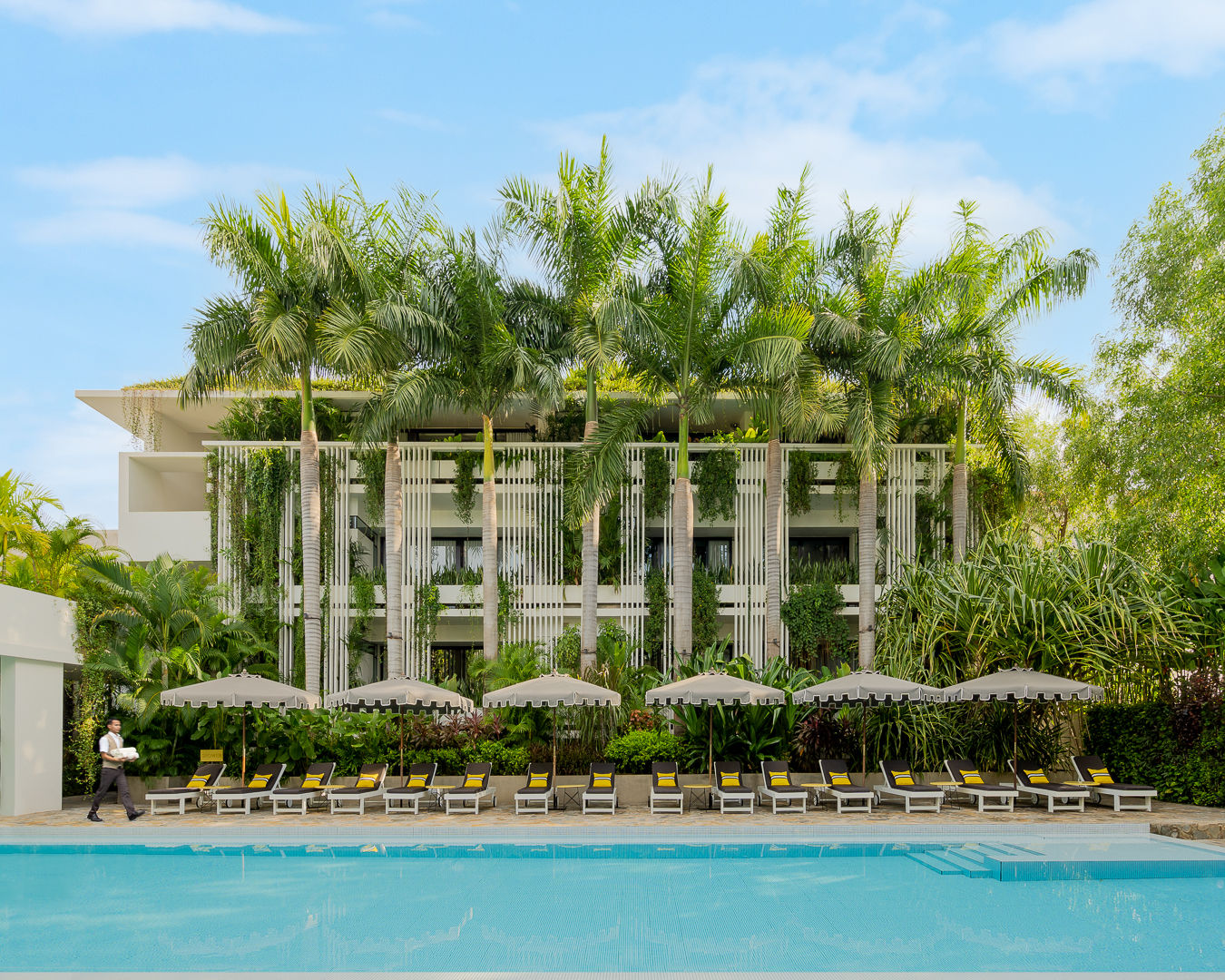
Website visitors make decisions very quickly. Within seconds, guests are already judging:
Professional photography helps create an immediate sense of confidence and quality.
Poor lighting, inconsistent editing, distorted room images, low-resolution photos, or outdated imagery can make even a good hotel feel less professional than it actually is.
In hospitality, perception matters.
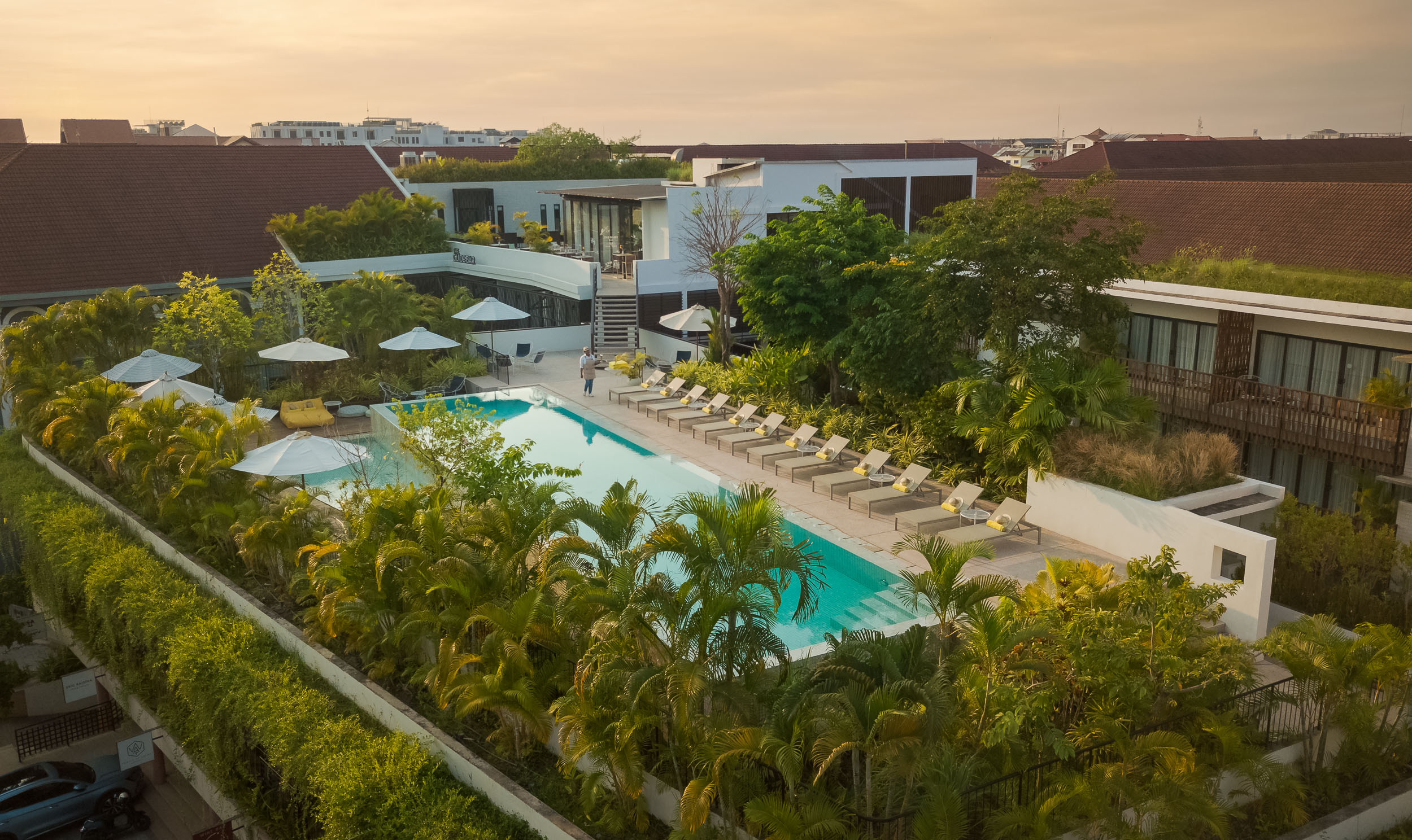
Many hotels rely heavily on OTAs such as Booking.com or Agoda, but direct bookings are often far more profitable.
One of the biggest advantages a hotel website has over OTA listings is the ability to create a stronger visual identity and emotional connection with potential guests.
Professional photography helps:
When guests feel more confident in the property, they are more likely to book directly.
See how I transformed this boutique hotel website with professional hotel photography and web design
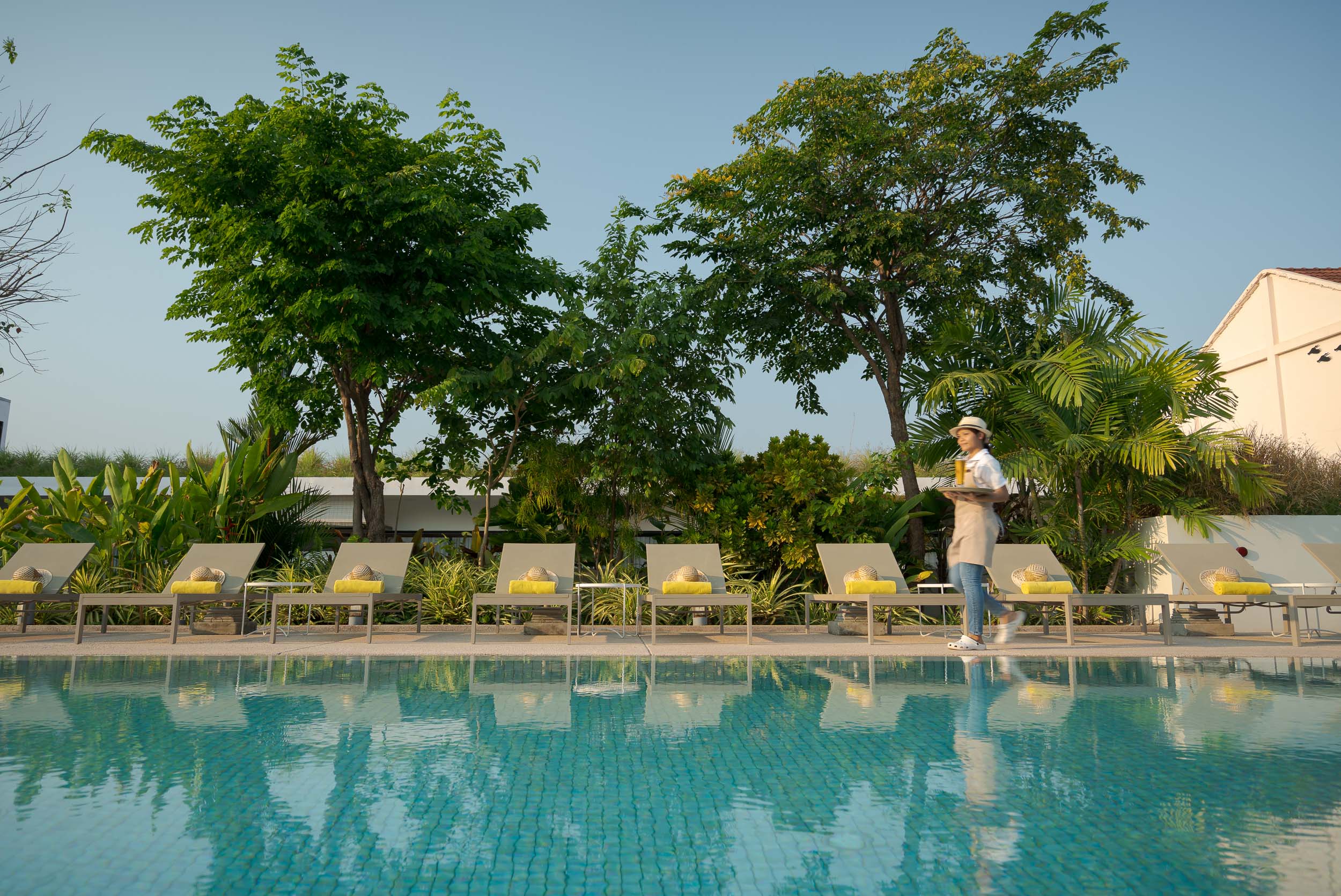
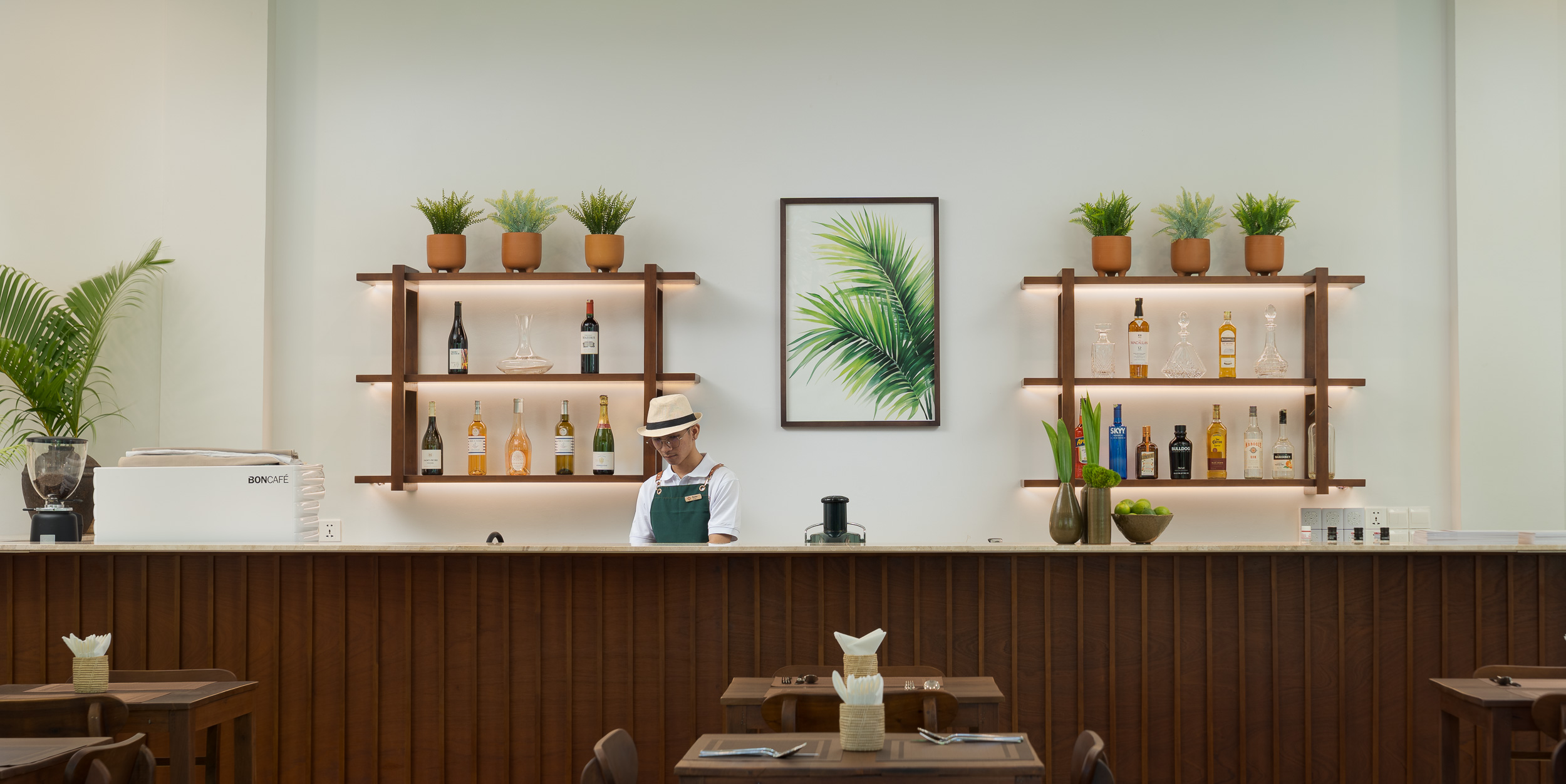
Good hospitality photography is not only about taking attractive images. The photography also needs to work effectively within the structure of the website itself.
This includes:
A website can feel disjointed when imagery is inconsistent or poorly integrated into the design.
Strong websites are usually built when photography, branding, and website structure are considered together.
Trust is one of the most important parts of hospitality marketing.
Guests are making decisions before arriving in the country, often spending significant amounts of money based entirely on what they see online.
Professional photography helps reassure visitors that:
This is especially important for boutique hotels and luxury hospitality brands, where presentation and atmosphere are part of the product itself.
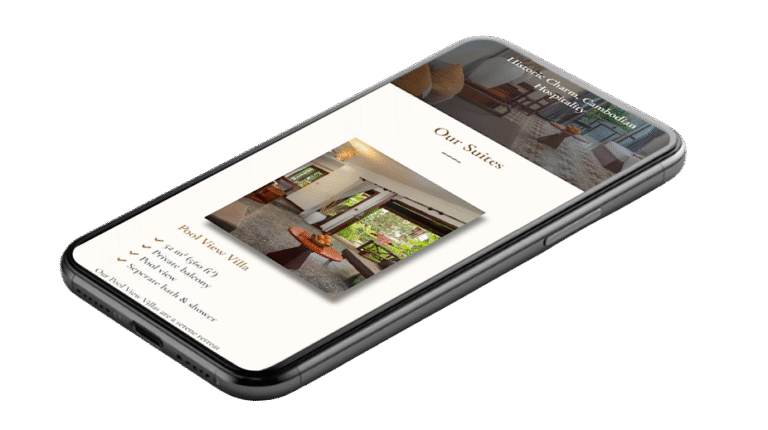
A large percentage of hotel website visitors now browse on mobile devices.
Images that work well on desktop do not always translate properly to mobile layouts. Poor cropping, oversized files, or badly framed room photography can quickly damage the experience.
Professional website photography should be planned with responsive design in mind so that images remain effective across all screen sizes.
Hotel photography is very different from casual photography.
Good hospitality photography often involves:
The goal is not simply to document a room, but to help potential guests imagine themselves staying there.
I still remember living in London during winter and browsing hotels in Southeast Asia on cold, grey evenings. The images that stayed with me were never simply photos of rooms or furniture. What stood out was the feeling of warmth, natural light, tropical views, open spaces, and the atmosphere surrounding the property.
For many guests, hotel photography creates the first emotional connection with a hotel before they ever arrive.
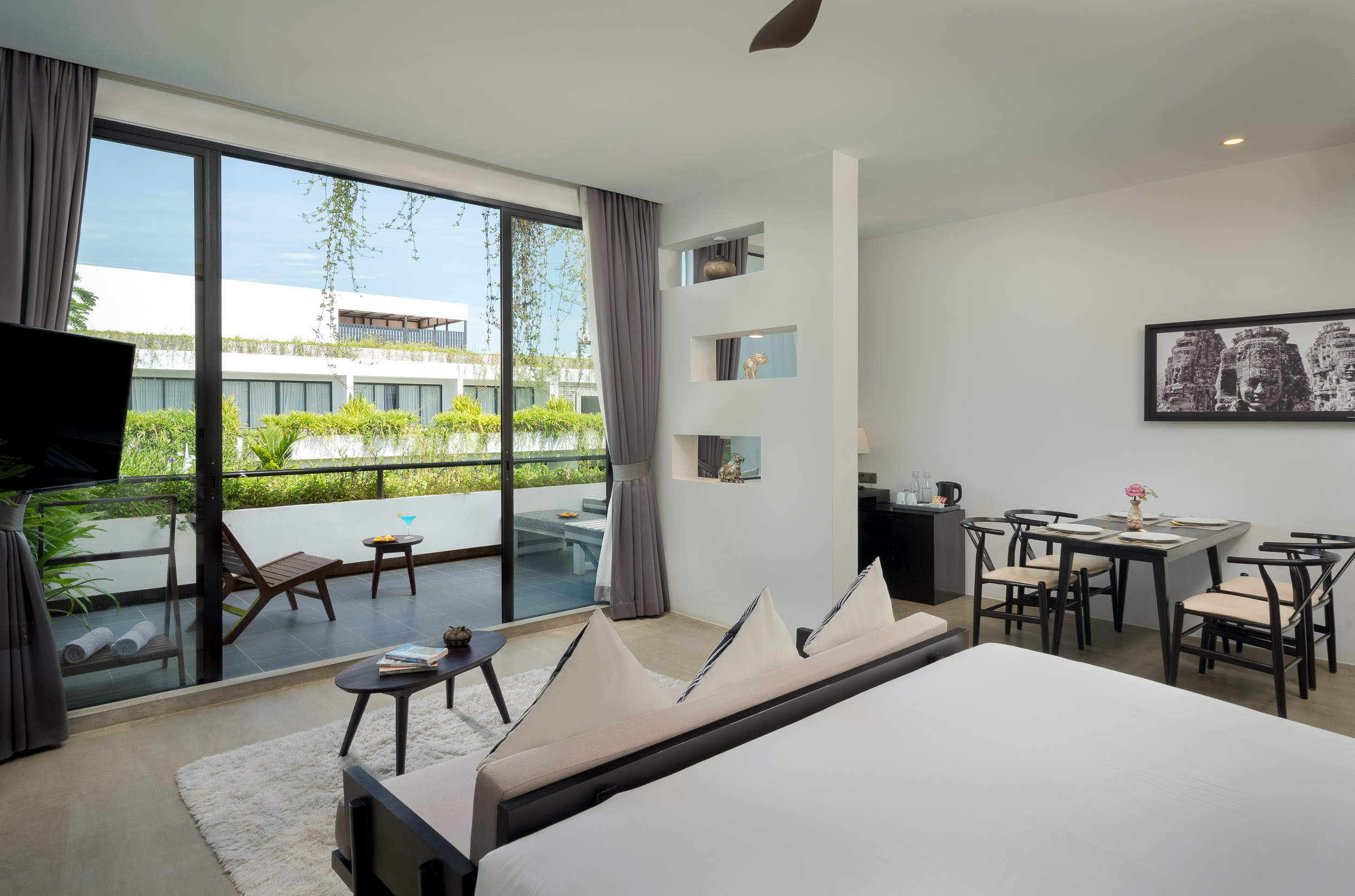
Capturing that feeling properly requires real experience with lighting, composition, and presentation. One of the biggest challenges is balancing darker interiors with bright exterior views through windows while still keeping the room looking natural and inviting. This is especially important for hotels with strong views, gardens, pools, or outdoor spaces where the environment itself is part of the guest experience.
The goal is not simply to document a room, but to help potential guests imagine themselves staying there.
See an example of how I light and edit hotel interiors
For hotels, resorts, restaurants, and hospitality businesses, photography is one of the most important investments a website can make.
A professionally designed website supported by strong photography creates a far more trustworthy and compelling experience for potential guests.
In a highly competitive hospitality market, the visual presentation of a property can often be the difference between a visitor leaving the website or making a booking.
If you are considering improving your hotel website, investing in professional photography can have a significant impact on both presentation and long-term business performance.
Geoff Greenwood is a web designer and commercial photographer based in Siem Reap, Cambodia, with over ten years of experience working with hotels, resorts, and hospitality businesses. He builds websites for clients in Cambodia and internationally, combining technical SEO, strong visual content, and a genuine understanding of what makes hospitality brands work online. His background across both disciplines means every project benefits from a perspective that covers design, photography, and long-term website performance.